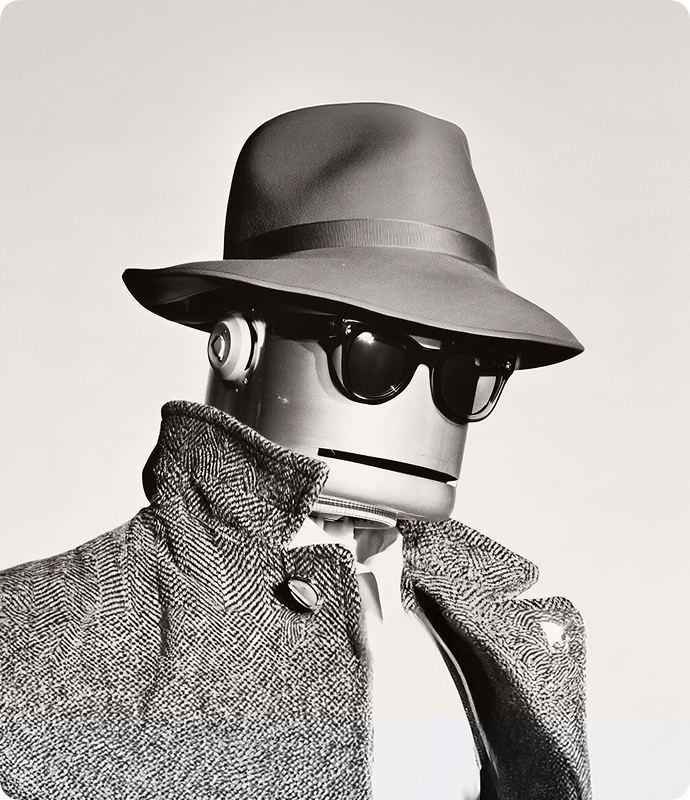
Do not click this article
People are bored of being sold to, try telling them to piss off - they just might buy.

Everyone has used reverse psychology and everyone has fallen for it. A parent says “you are not allowed to eat the broccoli”. A friend says "you probably couldn't pull that off anyway."
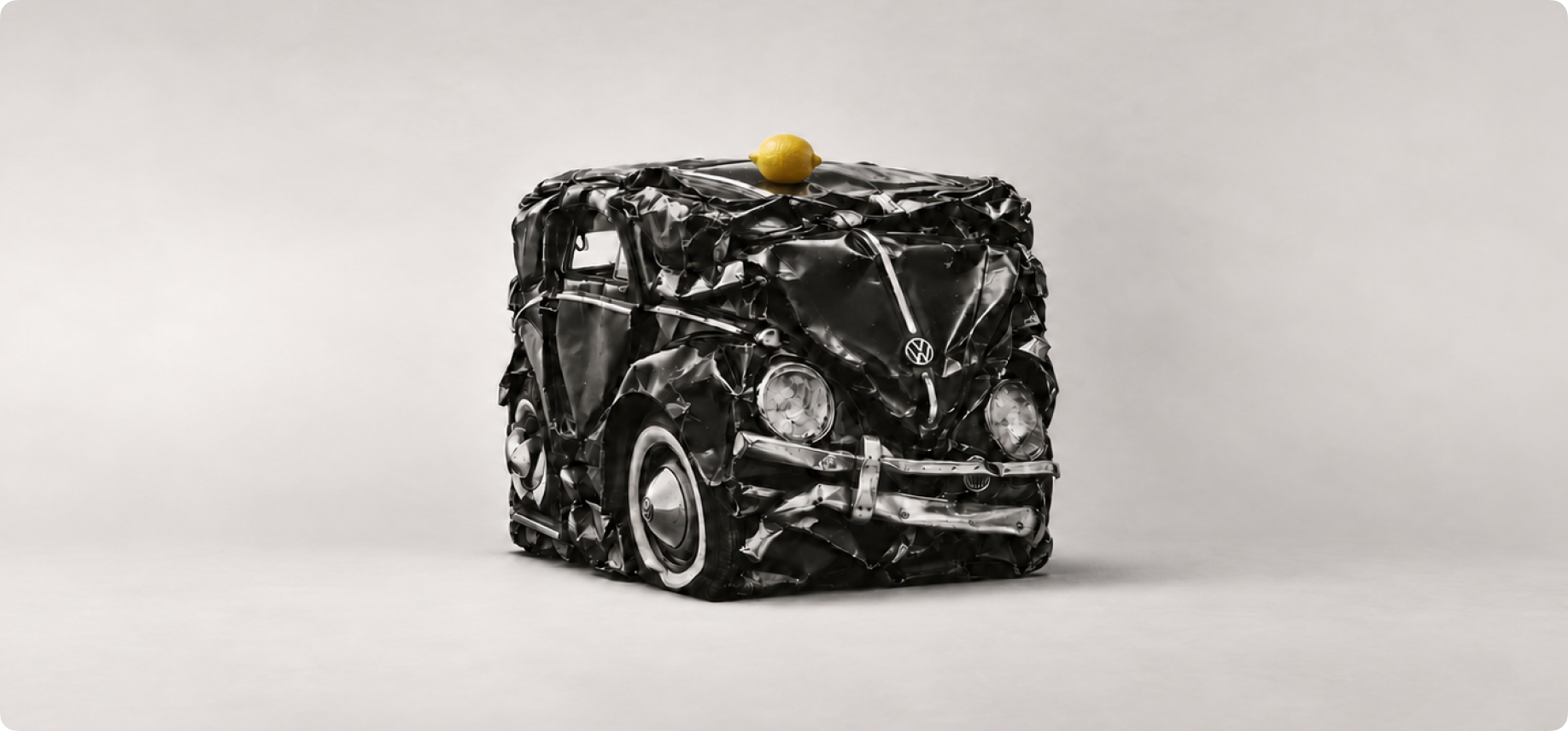
In 1960, Volkswagen ran a full-page ad showing a Beetle under one word: Lemon. The copy explained that the car in the picture had been rejected by an inspector at the factory for a blemish on the chrome strip of the glovebox. Confess something small, and the reader infers something large: if they reject cars for that, imagine what they do about the engine.
Our best performing advert for Ocean Bottle was “£40 for a water bottle that is way too expensive” - said no OB customer ever. This ad alone roughly halved their CAC through social ads.
And Patagonia, Black Friday 2011, a full page in the New York Times: Don't Buy This Jacket. Revenue reportedly grew around 30% the following year. Nobody at Patagonia was surprised.
And finally there's the Hans Brinker Budget Hotel in Amsterdam, which has spent nearly three decades advertising itself as the worst hotel in the world. Now with a door in every room. It can't get any worse. It is permanently full, largely with people who have read the ads and want to see if they're true.
Why it works when it works
In 1966 the psychologist Jack Brehm called it reactance: when a person feels their freedom to choose is being threatened, the natural response is to push back to restore it, often by doing the very thing they've been told not to. Tell someone they can't have something and the something gets more valuable.
There's a second bit of 1966 psychology (must have been a good year!): Elliot Aronson found that competent people who make a small, visible blunder are liked more than competent people who don't. It's called the pratfall effect. The flaw is proof that the competence is real, because nobody would invent it.
Dark arts of psychology aside; I think the explanation is altogether simpler. Advertising is so endemic we are sold to every second every day - people find a relief from that dynamic so refreshing that they will much more readily choose or remember you. Increasingly standing out, being remembered, is what delivers the outsized returns (if you’ve worked with us before I’m sure you’ve heard my schtick on this point ad nauseum).
How to actually use this?
Weaponise the humour. Laughter is the best medicine - be funny, be silly, life is finite.
Say who it's not for. The most effective sentence on a B2B homepage is often the disqualifying one. "If you have fewer than fifty engineers, don't bother." The people it excludes weren't buying; the people it includes now feel chosen. Qualification reads as confidence, and confidence is what a buyer is really trying to assess.
Make a confession/concession. Pick the true thing your competitors would hide and lead with it. Slow to onboard because you do it properly. Expensive because you don't cut corners. More complex because the problem is complex. Big enough to cover your needs, small enough to care (this one's a tag line in a current project).
Artificial scarcity. Do you think Rolex don’t have the budget to make a few more watches a year and clear their waitlist?
Anyway. You didn't have to read this far, and I'm glad you did.